
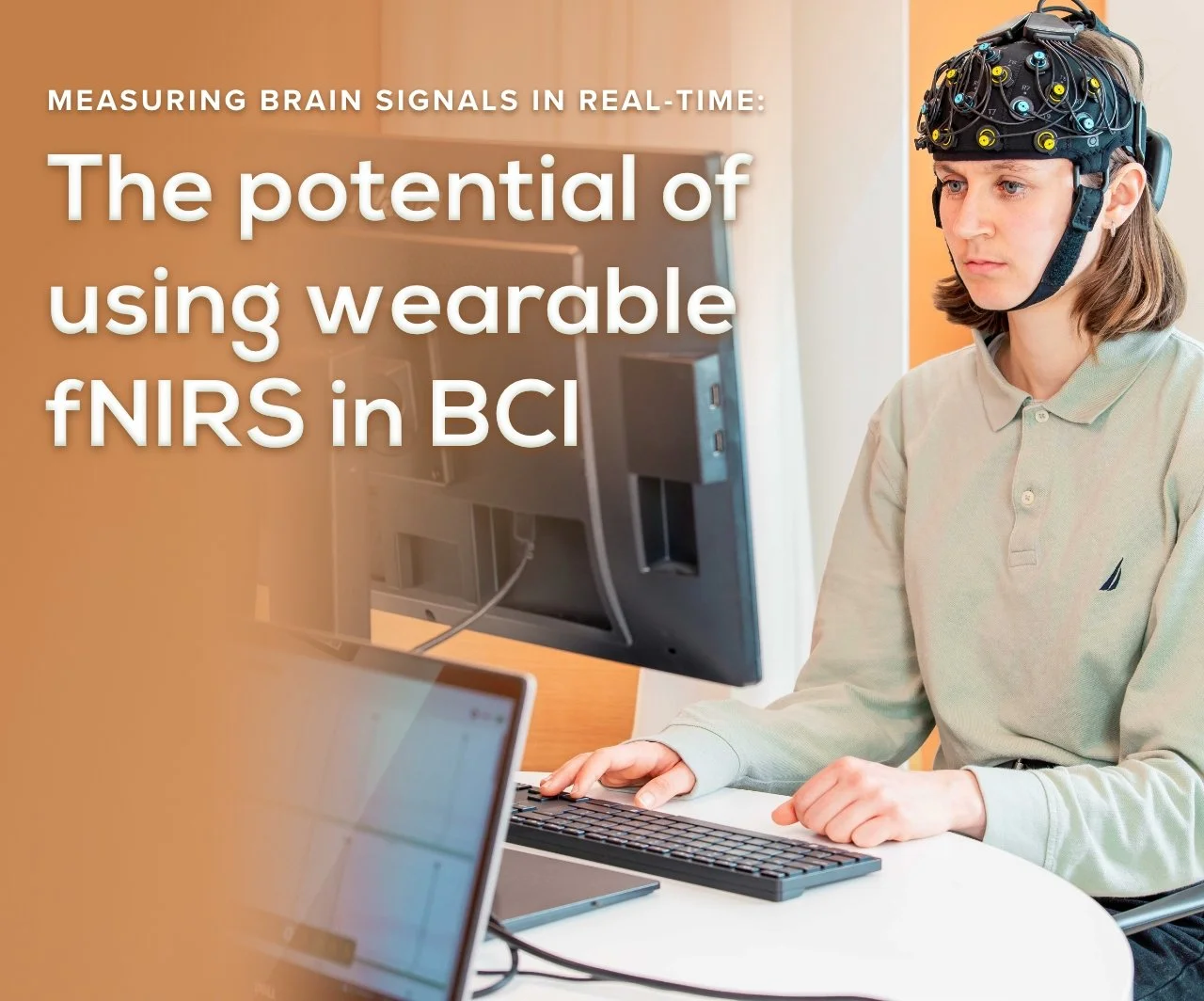
Measuring brain signals in real-time: the potential of using wearable fNIRS in Brain-Computer Interface (BCI)
Brain-Computer Interfaces (BCI) are defined as systems that use brain activity measured by different neuroimaging techniques to control external devices, such as computers. Functional Near-Infrared Spectroscopy (fNIRS) is commonly applied in BCIs, as it is completely portable, relatively easy to use, robust to motion, and provides a good spatial resolution. This increases the possibilities for application and setup compared to other modalities. In this blog, we explain application areas and purposes of fNIRS-BCI, highlight study examples per category, and provide an overview of fNIRS solutions we at Artinis can offer for use in fNIRS-BCI.

Neurorehabilitation
fNIRS-BCI is frequently used in a clinical context, especially due to its portability, ease of use, and comfort. In neurorehabilitation applications, fNIRS-BCI can be applied to rebuild motor or cognitive functions and promote neuroplasticity in patients with neurological disorders, such as stroke or Parkinson’s Disease.
During the performance of tasks, for instance, motor imagery, brain activity is monitored and processed, and real-time feedback can be provided to an external device.
Study examples:
Kamavuako et al. performed a study to test the potential of fNIRS-BCI to classify overt or covert speech. The OxyMon was used to measure prefrontal activity during loud and silent speaking in healthy participants. Features were extracted with an unsupervised algorithm, and an optimized support vector machine was applied for classification. High classification accuracy values were achieved for overt and covert speech when using oxygenated and deoxygenated hemoglobin, indicating that fNIRS-BCI may hold potential as a tool for speech detection also in patients with neuromuscular disorders, such as locked-in syndrome.
Asadi et al. proposed and tested a novel paradigm for using fNIRS-BCI in motor imagery tasks to enhance classification accuracy using the Brite. High classification accuracy values of 89.12% and 88.47% were achieved when applying the support vector machine and random forest method, respectively, indicating the potential of the proposed method for motor imagery tasks in fNIRS-only BCI.
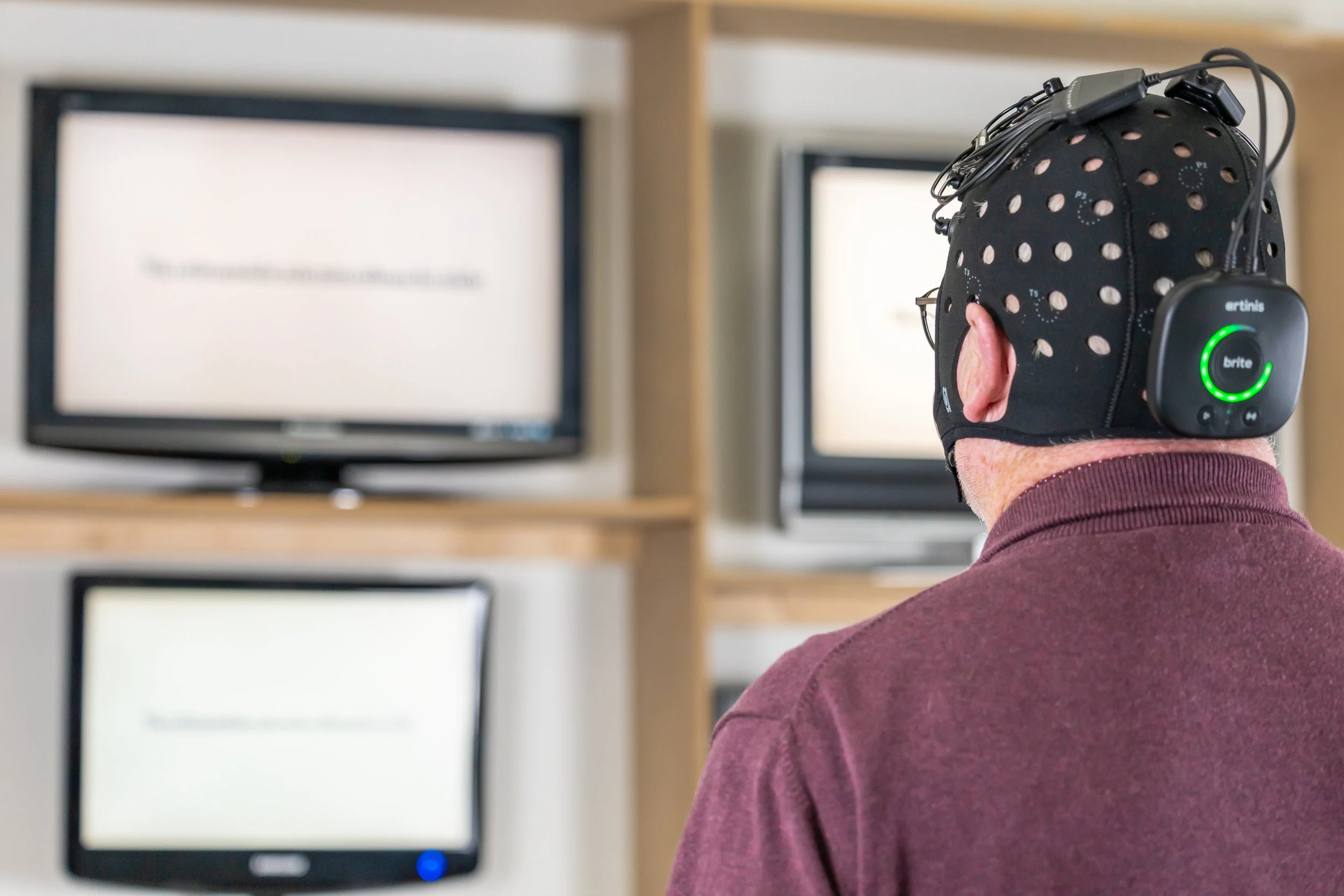
Neurofeedback
Monitoring brain activity, fNIRS can be used in neurofeedback applications to train and promote self-regulation of brain function in real-time. fNIRS neurofeedback can be applied to improve cognitive or motor functions, or emotional regulation, and is therefore used in various clinical fields for rehabilitation purposes.
Study examples:
In a recent study, Park assessed the potential of VR-based cognitive training in combination with fNIRS-neurofeedback to enhance cognition in elderly patients with mild cognitive impairment (MCI) using the OctaMon. Results showed that the active group achieved significantly increased prefrontal activity and enhanced cognitive function compared to both control groups (sham and wait-list), indicating the potential of VR-based cognitive training combined with fNIRS-neurofeedback to improve cognitive and neural efficacy.
Zheng et al. proposed a study protocol for a randomized controlled study to test the effects of fNIRS-neurofeedback training coupled with VR on improving executive function in real-world settings in children with ADHD. Participants will be randomly assigned to an intervention group (receiving fNIRS-neurofeedback training in a virtual classroom environment) or two control groups (receiving either conventional cognitive training or a wait-list).
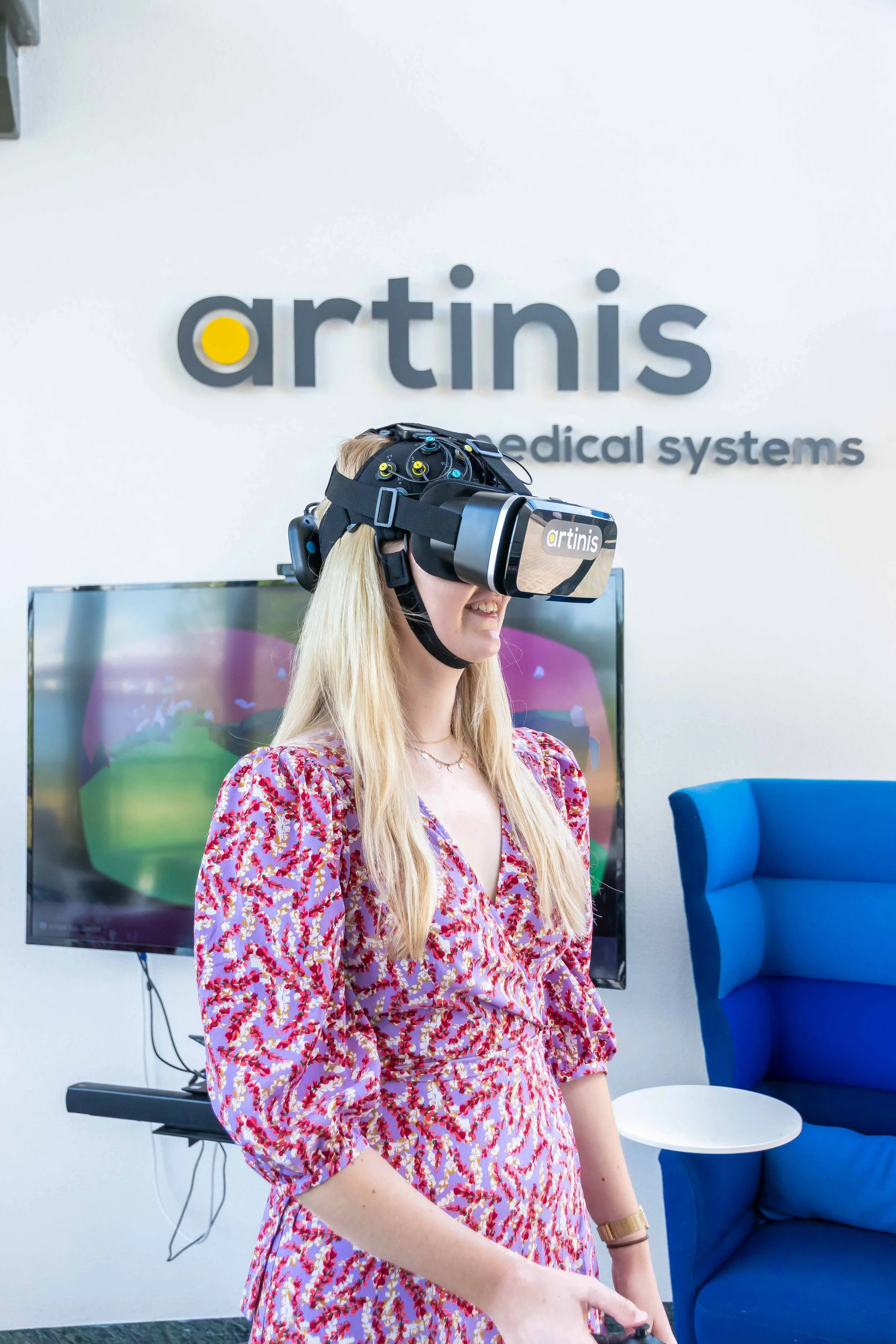
Would you like to learn more about fNIRS-BCI, its theoretical and practical backgrounds, advantages and considerations, as well as applications in clinical settings? Then we recommend you watch our two-part webinar series “fNIRS-BCI: Methodology and (clinical) application possibilities” held by Dr. Bettina Sorger (Maastricht University) and Dr. Franziska Klein (OFFIS Oldenburg).
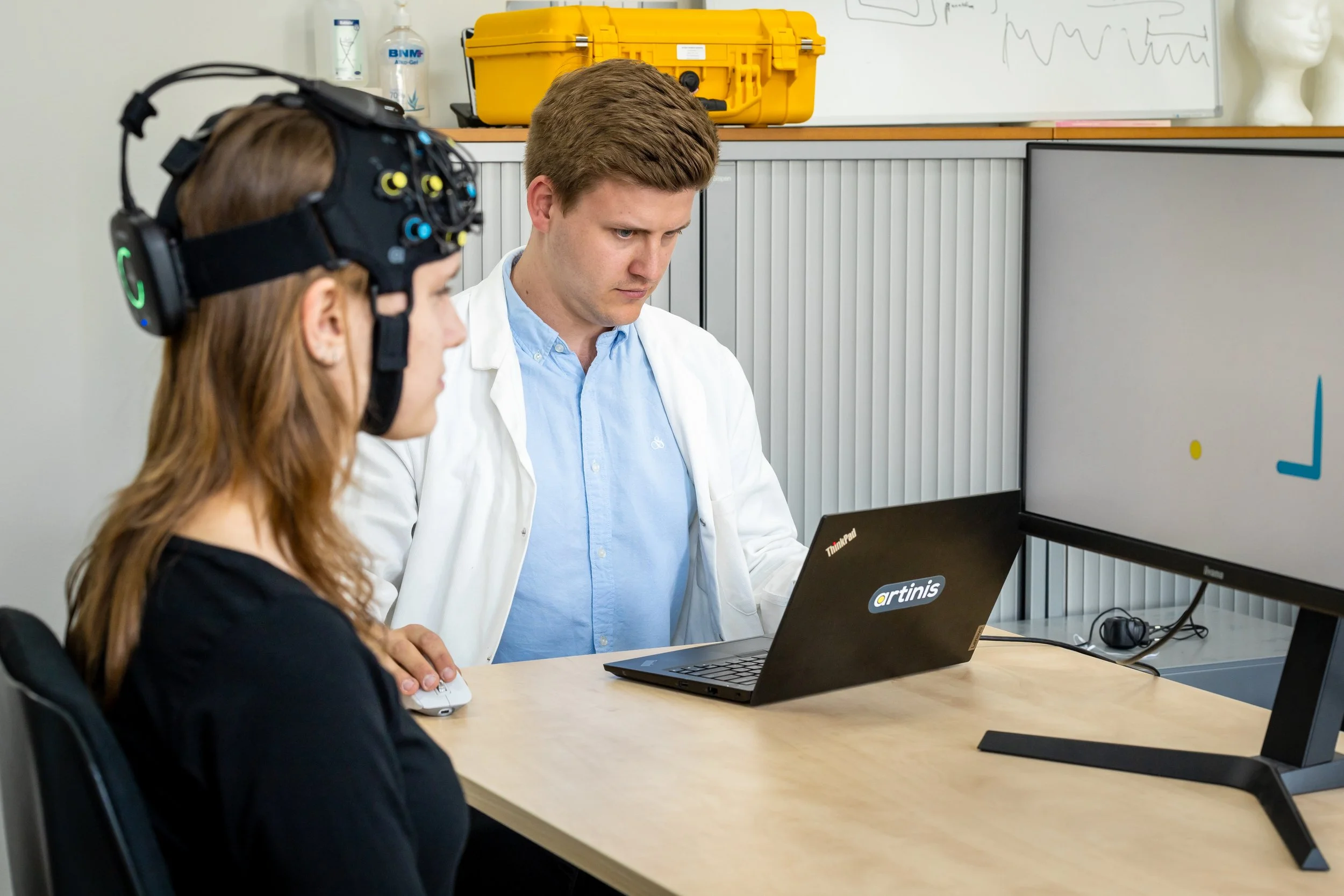
fNIRS-BCI in daily life applications
Next to clinical settings, fNIRS-BCI also holds potential for use in daily life situations, for instance, to detect mental workload or evaluate media content. Compared to other modalities, fNIRS is completely portable, easy to use, and robust to motion artifacts, making it perfectly suitable for application in naturalistic, outside-of-the-lab settings.
Study examples:
Liang et al. performed a study using fNIRS-BCI to investigate neural response to different audio and visual content within one movie genre. The OctaMon was used to measure prefrontal activation while watching horror movies in various modes. Results may aid in evaluating audio-visual content and may contribute to enhancing the future of adaptive horror movie experiences.
Filippi et al. used the Brite to assess whether the mirror neuron effect is a confounding factor when using fNIRS-BCI for thought-based device control in healthy participants with functioning motor skills, which could be validated by their findings.
Detection and classification
In both clinical and daily settings, fNIRS-BCI is commonly applied as a detection or classification tool. Outside of medical contexts, it can, for instance, be used to predict mental workload or decision-making in various settings.
Study examples:
Ruotsalo et al. presented a method for affective annotation directly from brain signals using fNIRS-BCI measured during the affective experience of a crowd of individuals using the Brite. Results highlight the potential of the proposed method to accurately predict affective annotations, especially in larger crowd sizes, without the need for mental or physical interaction.
Dolmans et al. investigated the potential of multimodal deep learning, including fNIRS, for classifying perceived mental workload. Various physiological parameters, for instance, brain activity measured with the Brite, were measured simultaneously and synchronized via Lab Streaming Layer (LSL). A deep neural network was designed for the classification of mental workload. When using multiple modalities, a high classification accuracy of mental workload could be achieved (0.985), especially compared to using a single modality.
What we offer at Artinis
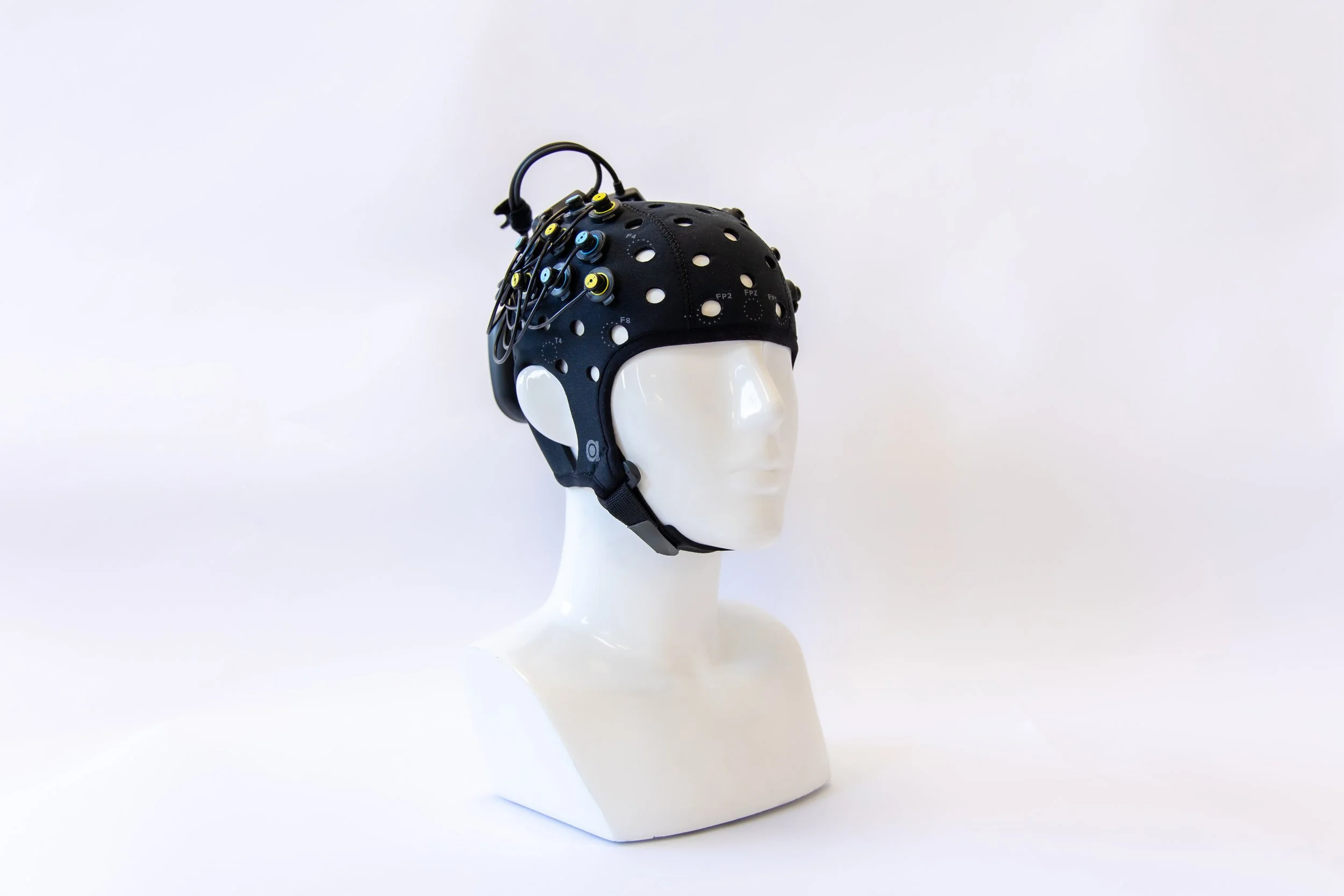
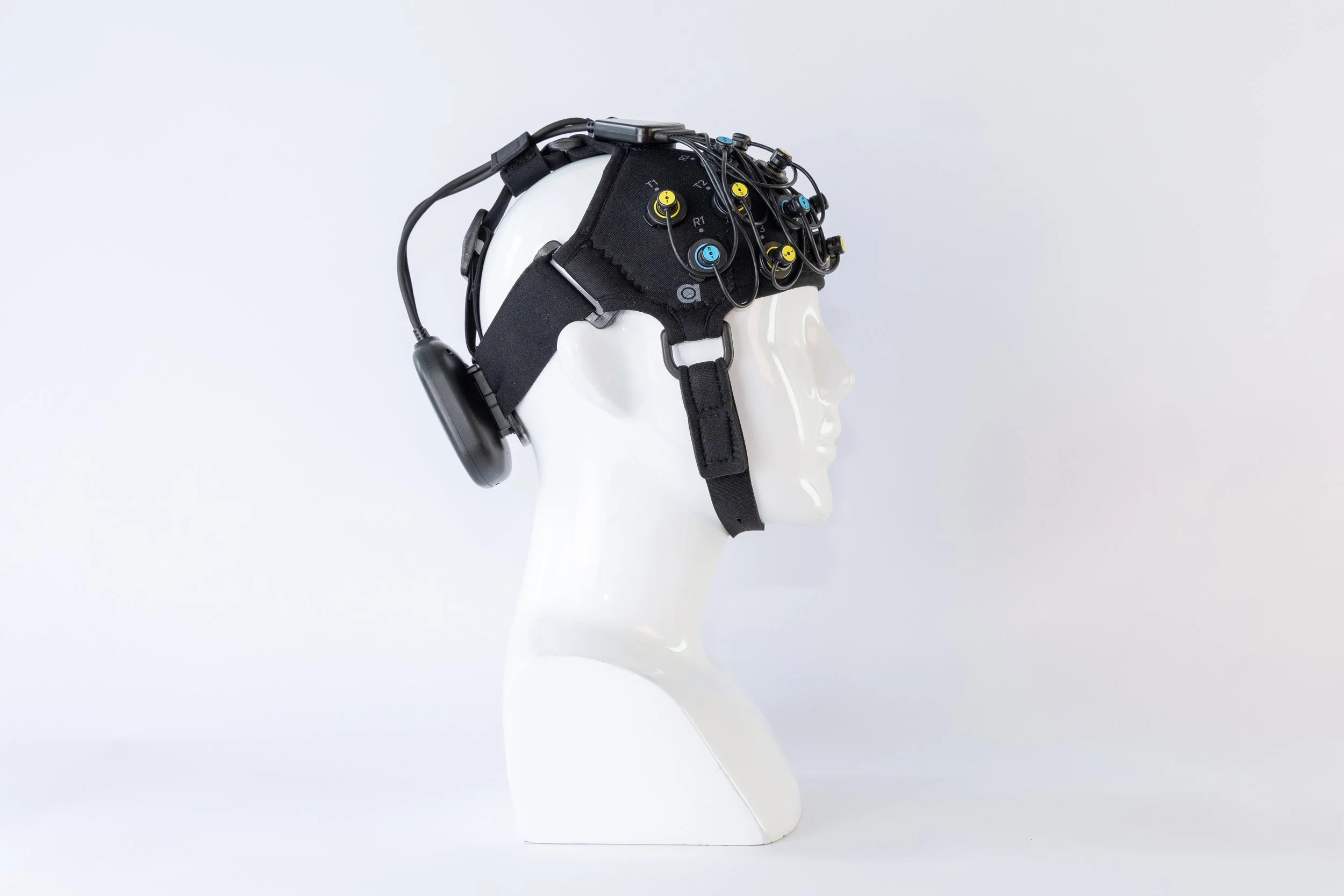
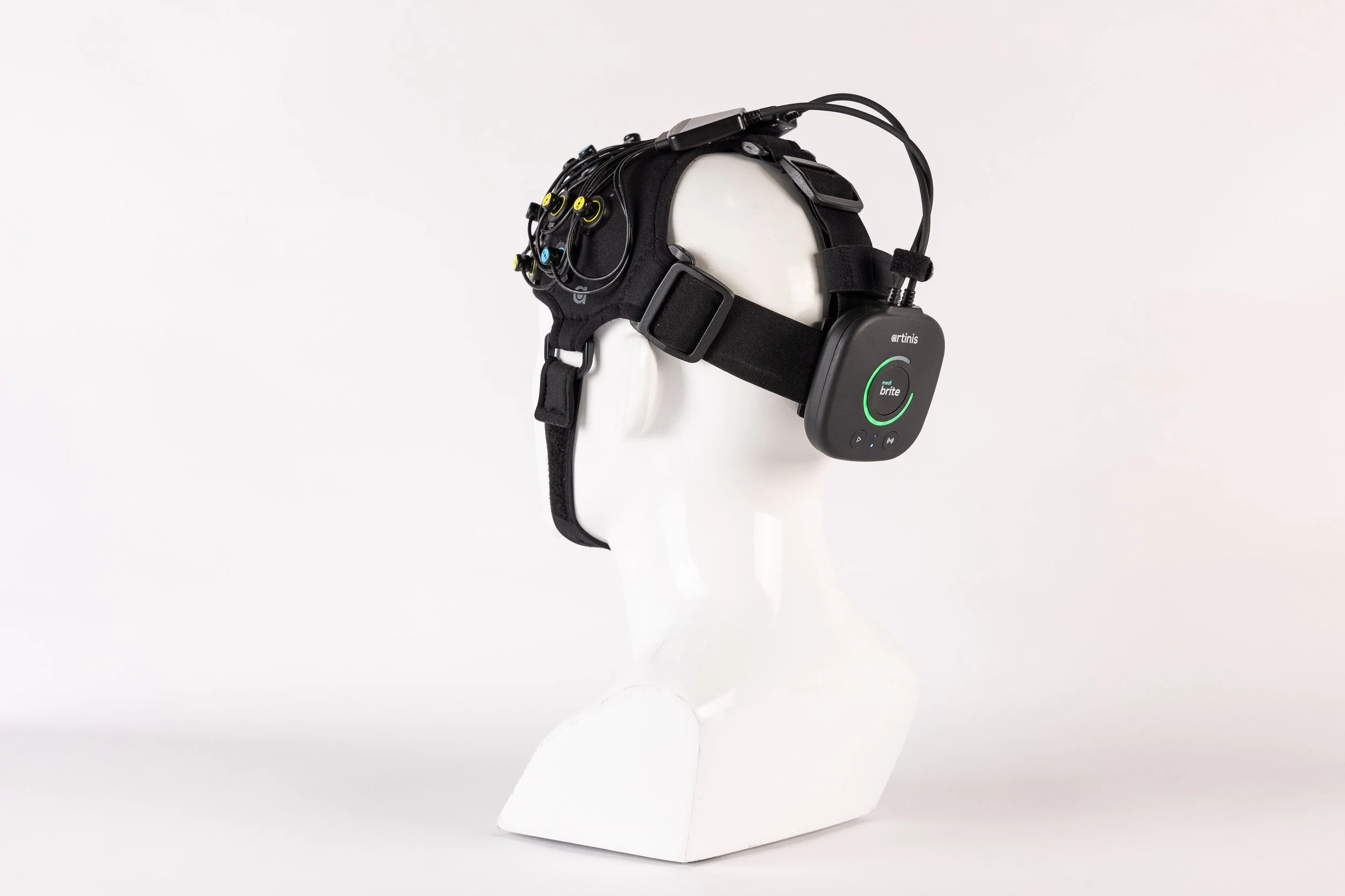
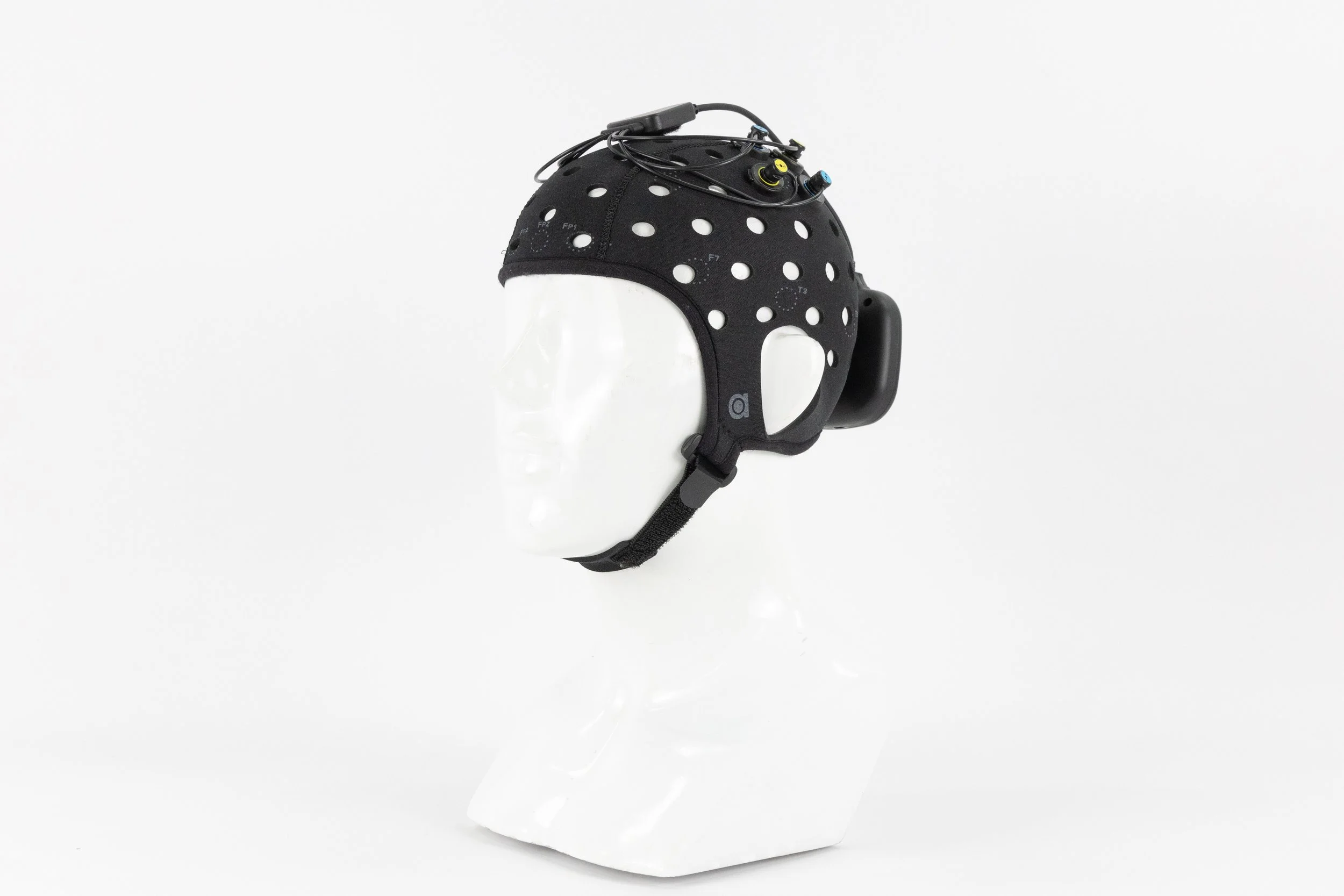
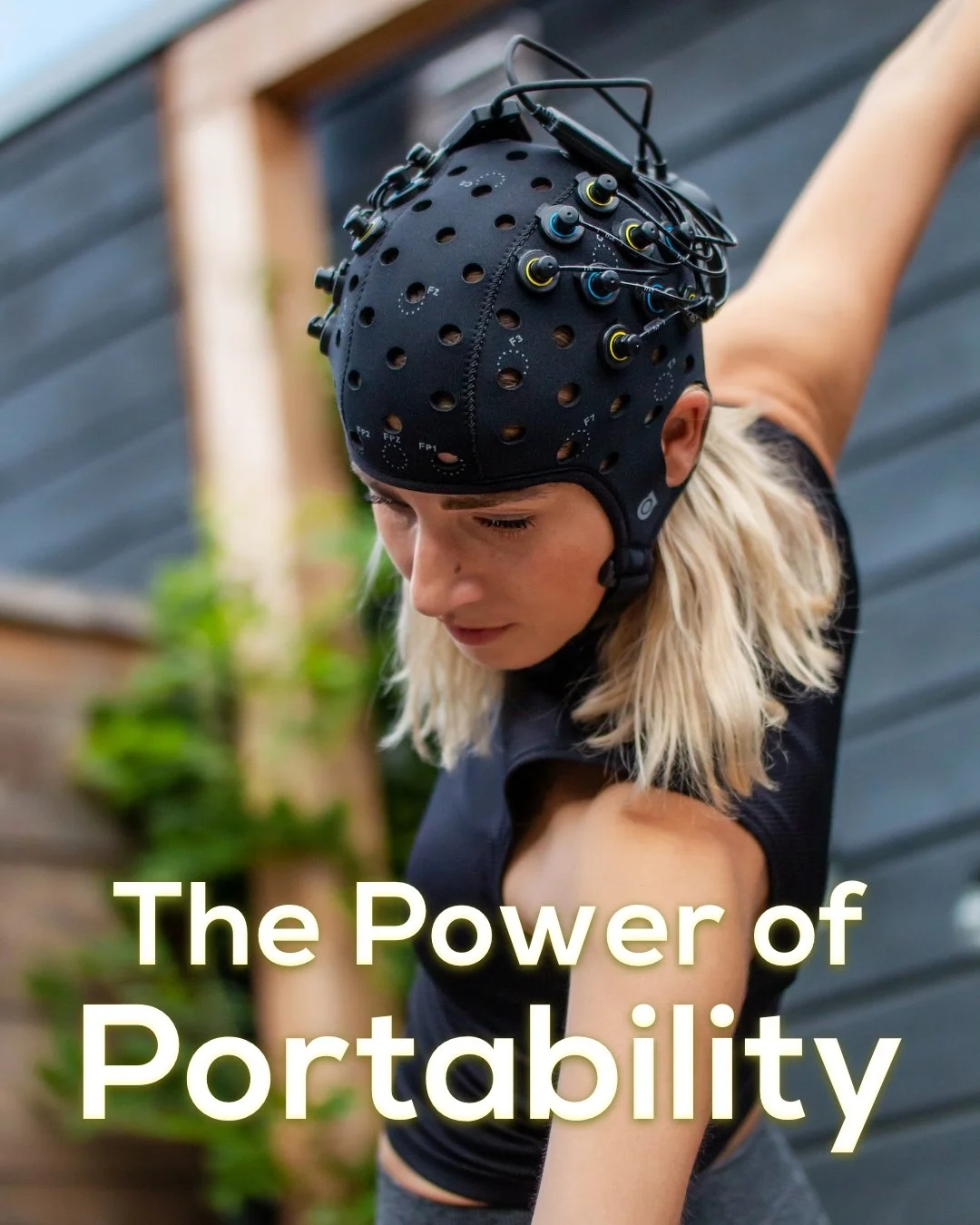
At Artinis, we offer a range of portable, wireless, and lightweight fNIRS devices that can be used in any setting to perform fNIRS-BCI in clinical or daily-life contexts:
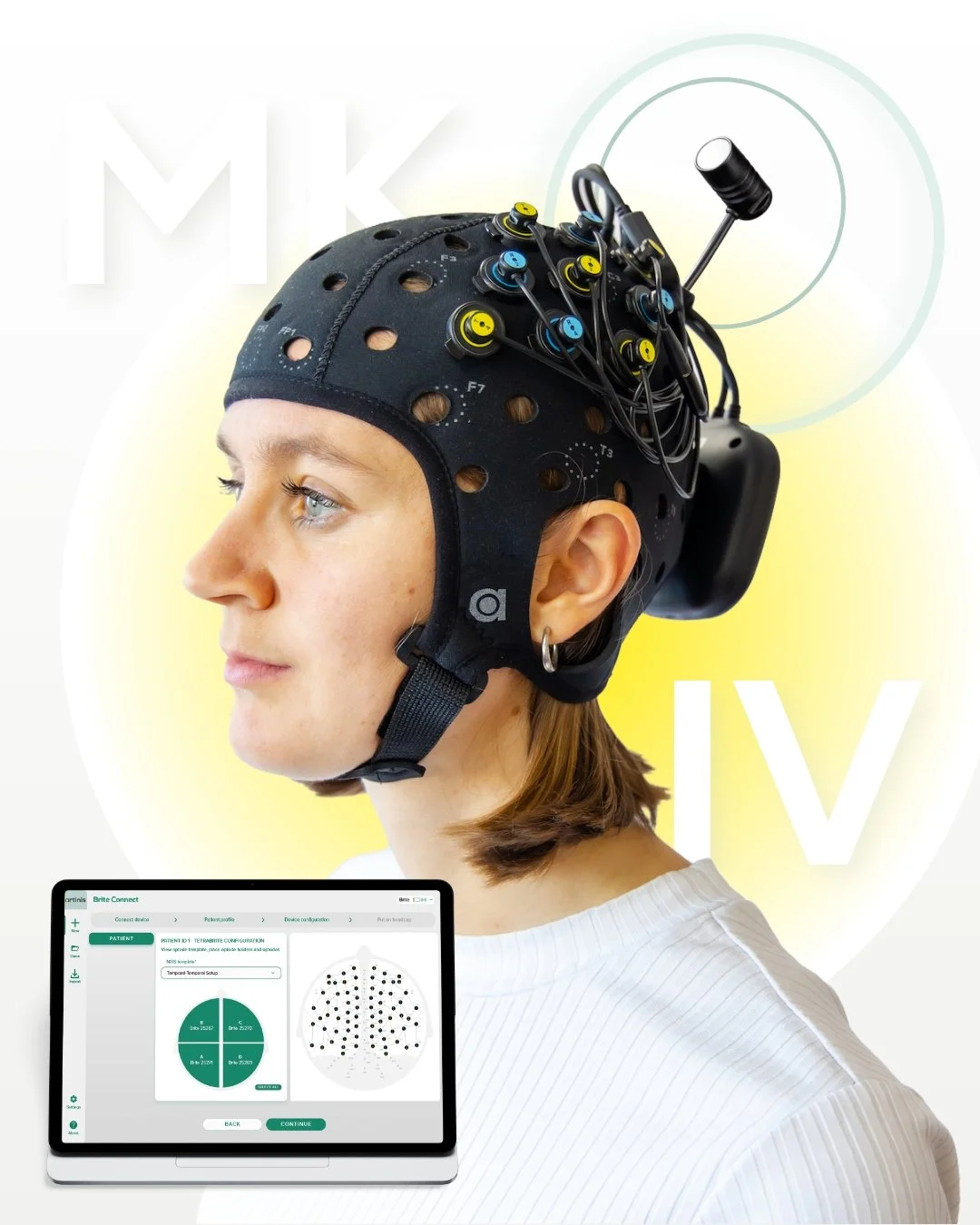
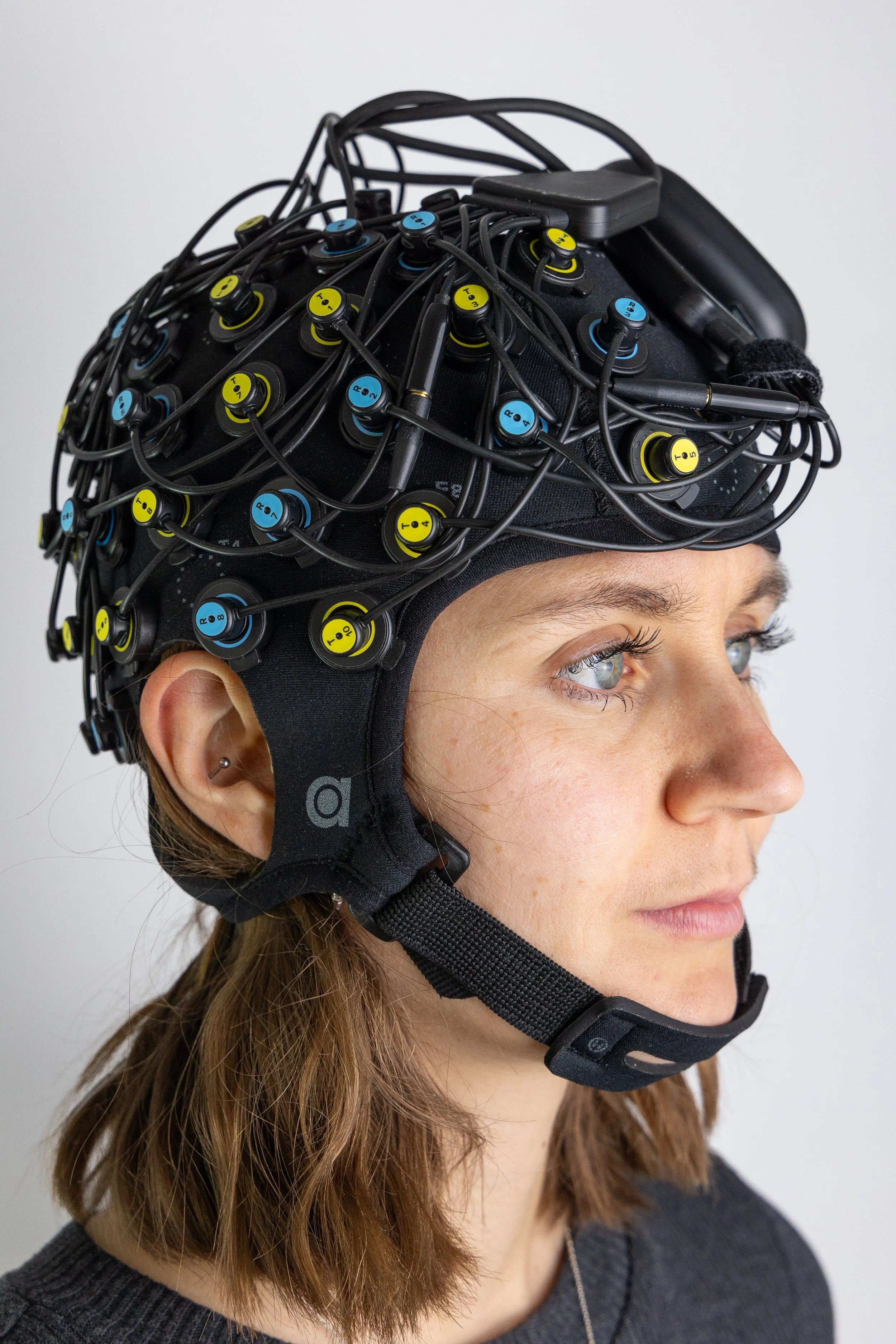
The Brite is our most versatile fNIRS device, measuring brain activity from any cortical region with 27 channels. Due to its portability and included features for optimal signal quality, such as multi-power gain control and short channels, the Brite is the perfect fit for fNIRS-BCI applications.
In case you are interested in prefrontal measurements only, the Brite Frontal might be a good fit. It comes with a dedicated headband and template covering the complete frontal cortex, ensuring easy and quick setup within a few minutes.
Especially for using fNIRS-BCI in clinical settings, our MediBrite might be a good fit. Based on our Brite device, the MediBrite comes with similar features and technical advantages, but was modified for safe use in clinical research. It is the only European medical portable NIRS device according to MDR (EU) and is therefore perfect for use in neurorehabilitation applications.
If you are looking for an fNIRS-BCI with a smaller number of channels, the Brite Lite (Frontal) can measure brain activity from 8 channels in a completely wearable and wireless setup.
Both our software solutions, OxySoft and Brite Connect, support Lab Streaming Layer (LSL), which can be used to stream data out in real-time or synchronize with other measurement streams, enabling perfect use for BCI.
Combining fNIRS and EEG for BCI
To improve performance, hybrid BCI systems combining fNIRS and Electroencephalography (EEG) are increasingly used in both clinical and non-clinical contexts. Integrating both modalities allows their strengths to complement each other and can lead to enhanced classification or neurofeedback performance. Our integrated and portable fNIRS-EEG systems come with combined holders to facilitate the placement of electrodes and optodes, as well as a fully integrated software solution in OxySoft, making them the perfect fit for hybrid BCI applications.
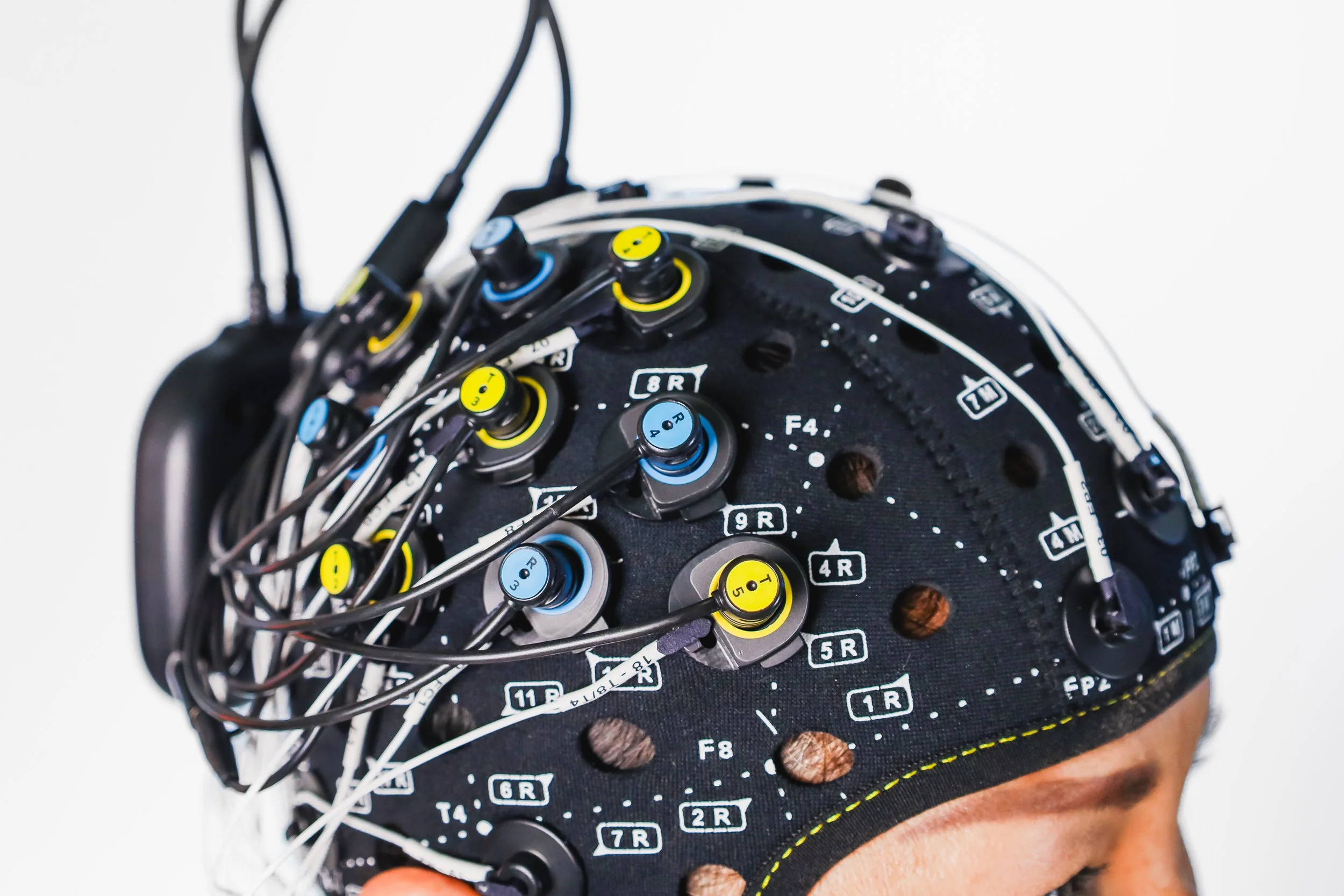
Interested in fNIRS-BCI for your research? Contact us to discuss how our devices can support your work.



At Artinis, our mission is simple: make imaging easy, so researchers can focus on what matters, their research. Large-scale hyperscanning presented a clear challenge. We answered it the same way we always do: by removing the complexity and making it accessible.